Regular Eye Tests: The Shortcut to Sharper Vision
Regular eye tests help catch subtle vision changes early, keep prescriptions up to date, and spot common eye conditions before symptoms, supporting clearer, more comfortable sight long term.

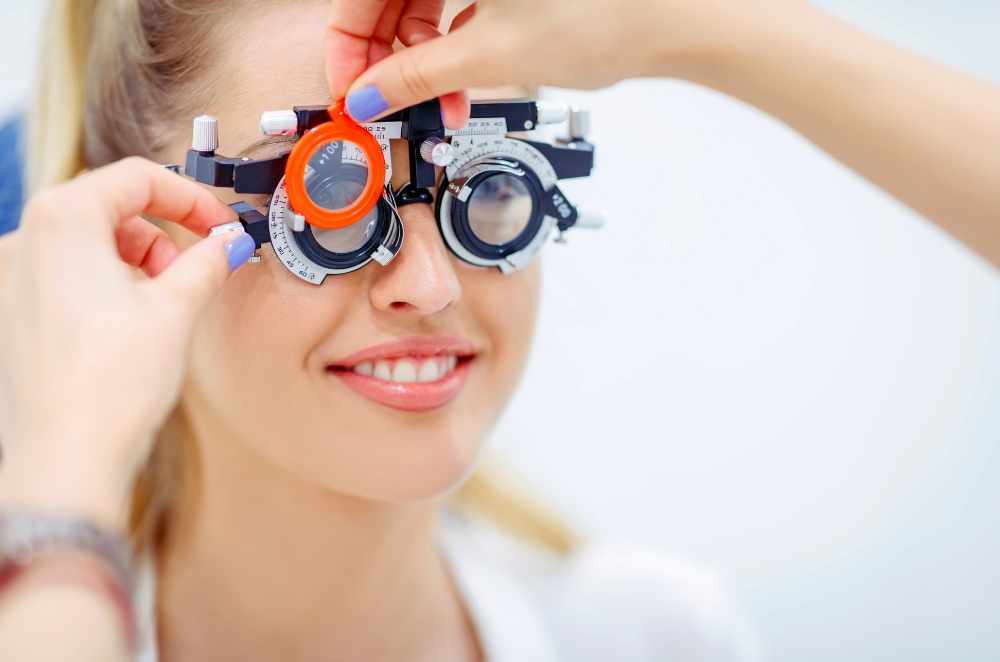
Regular eye tests help catch subtle vision changes early, keep prescriptions up to date, and spot common eye conditions before symptoms, supporting clearer, more comfortable sight long term.

Planning time on the water should feel exciting, not like a logistical headache. Yet anyone looking into boat hire in Sydney quickly realises how wide the gap is between slick listings and operators who genuinely understand the Harbour. This stretch of water isn’t forgiving. Ferries move fast and often. Wind bends around headlands. Conditions change without much warning. The difference between a good day and a long one usually comes down to how well the hire is set up from the start.
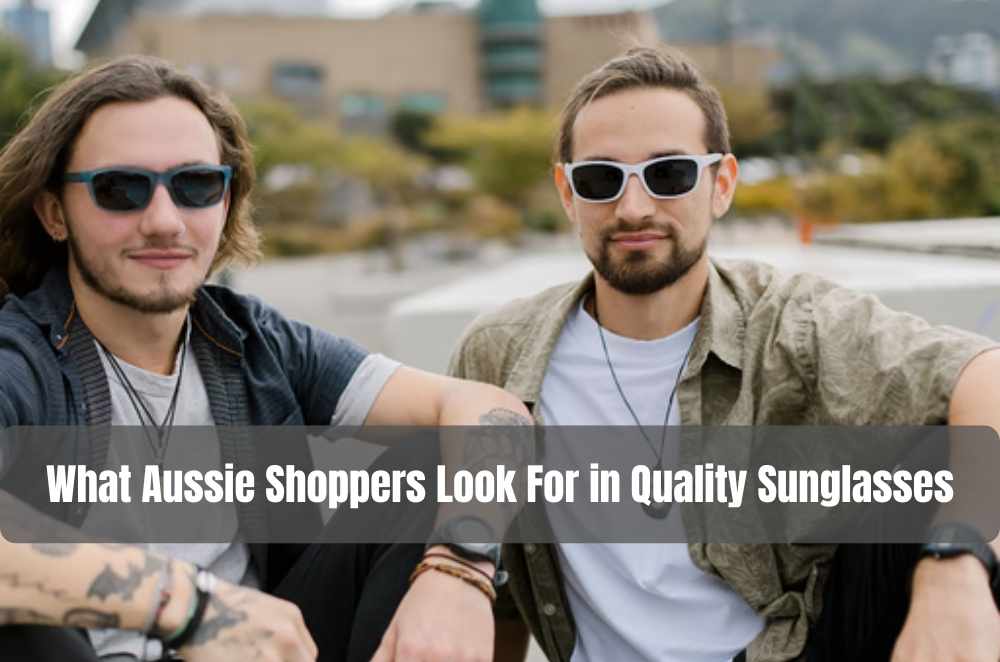
Summer here isn’t polite. The UV ramps up before breakfast, and the glare off a ute’s bonnet can make you squint from a block away. So when people ask where to start, I point them to the best category 3 sunglasses as a sensible baseline for everyday Aussie conditions—then we layer in fit, coverage, lens tech, and the whole comfort story.
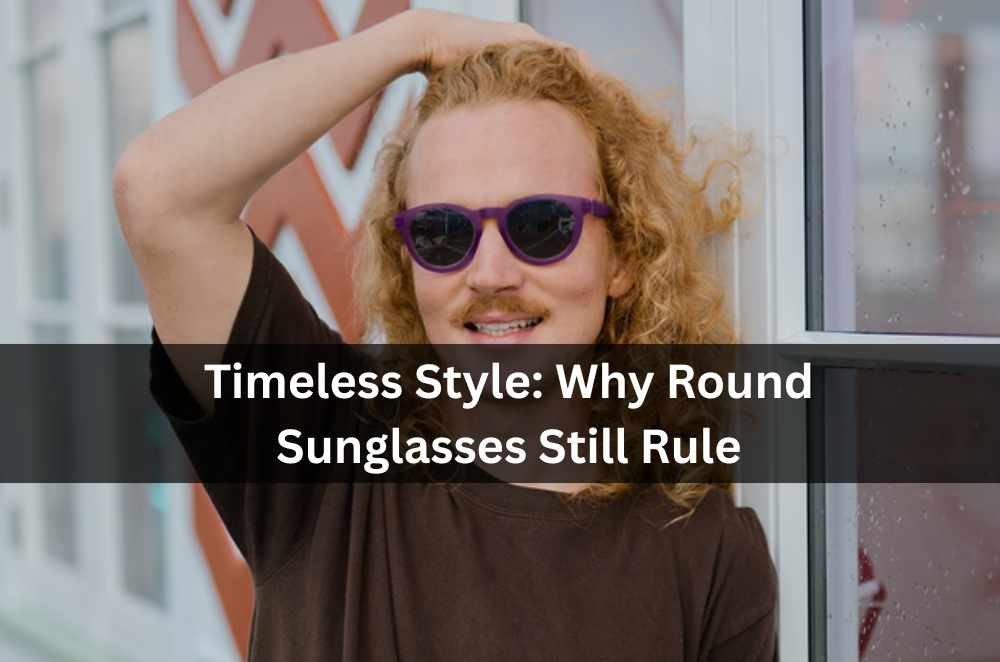
First sunny Saturday after a week of grey, I grabbed an old pair that’s been rattling around in my bag for years. They’re round, light, and a touch scuffed—yet every time I put them on, the world softens at the edges without losing clarity. That’s the quiet genius of circular frames: timeless silhouettes that don’t shout, lenses that sit comfortably on long days, and a profile that plays well with everything from tees to linen. When friends ask why I keep circling back, my short answer is simple: form plus function, no fuss. If you’re weighing shapes, round sunglasses are a steady baseline—easy to wear, easy to style, and rarely out of place.
First sunny Saturday after a week of grey, I grabbed an old pair that’s been rattling around in my bag for years. They’re round, light, and a touch scuffed—yet every time I put them on, the world softens at the edges without losing clarity. That’s the quiet genius of circular frames: timeless silhouettes that don’t shout, lenses that sit comfortably on long days, and a profile that plays well with everything from tees to linen. When friends ask why I keep circling back, my short answer is simple: form plus function, no fuss. If you’re weighing shapes, round sunglasses are a steady baseline—easy to wear, easy to style, and rarely out of place.
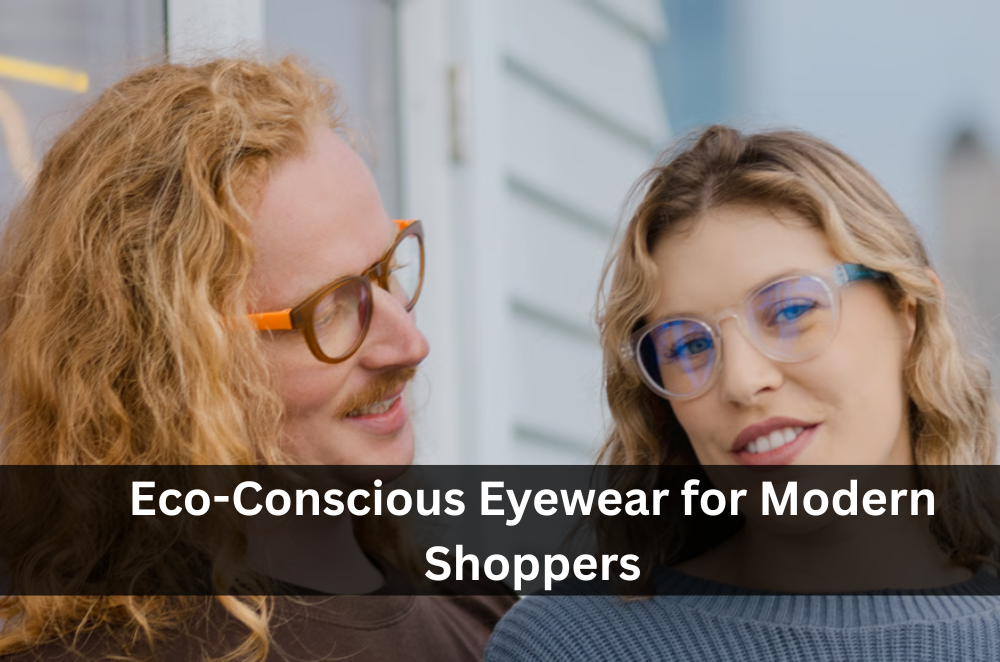
Sustainable frames aren’t a trend piece; they’re a set of small choices that stand up to real life—school runs, dim offices, bright weekends—without dumping more waste into the world. The best outcomes come from pairing durable materials with a repair-friendly fit and a care routine you’ll actually keep. If round silhouettes flatter your features, shortlist round prescription glasses online and judge them by how they feel after an hour, not a minute. A frame you forget you’re wearing is the most sustainable choice of all—because you’ll keep it longer and toss less.
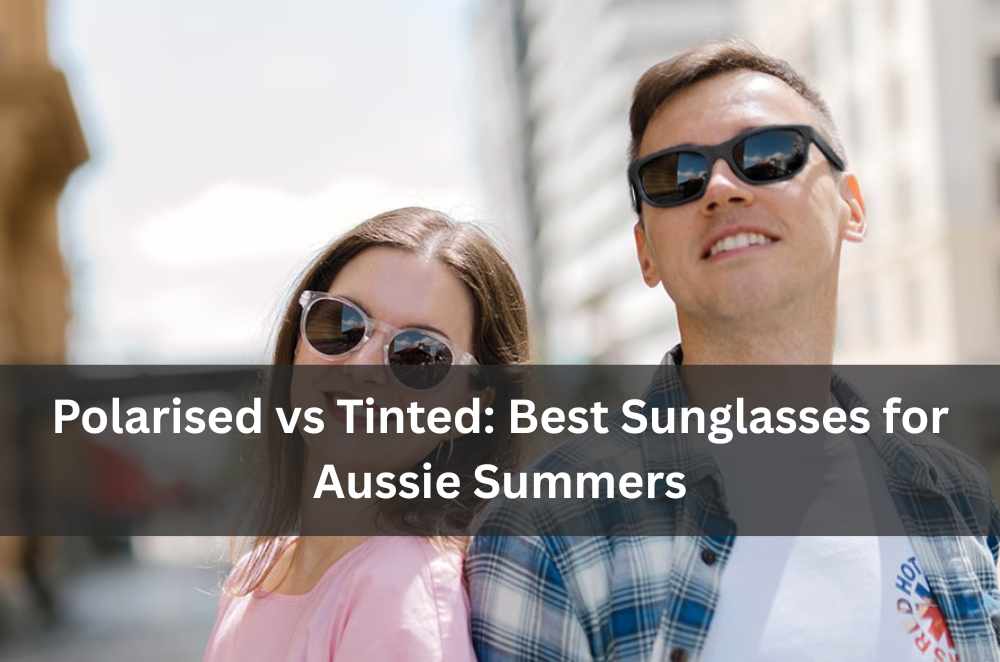
First hot northerly of the season, and the bitumen started to shimmer. That was my cue to pay closer attention to what sits in front of my eyes, not just what sits on my face. If you’re comparing polarised and tinted lenses, think about light first: where it bounces, how it flares, and when it fools your depth perception. Then think about frames that hold steady when sweat and sunscreen enter the chat. If you want scope to change colours or swap lenses later, set that up from the start. A broad, modern take on designer sunglasses should balance glare control, UV blocking, and everyday comfort so you reach for the same pair without second-guessing.
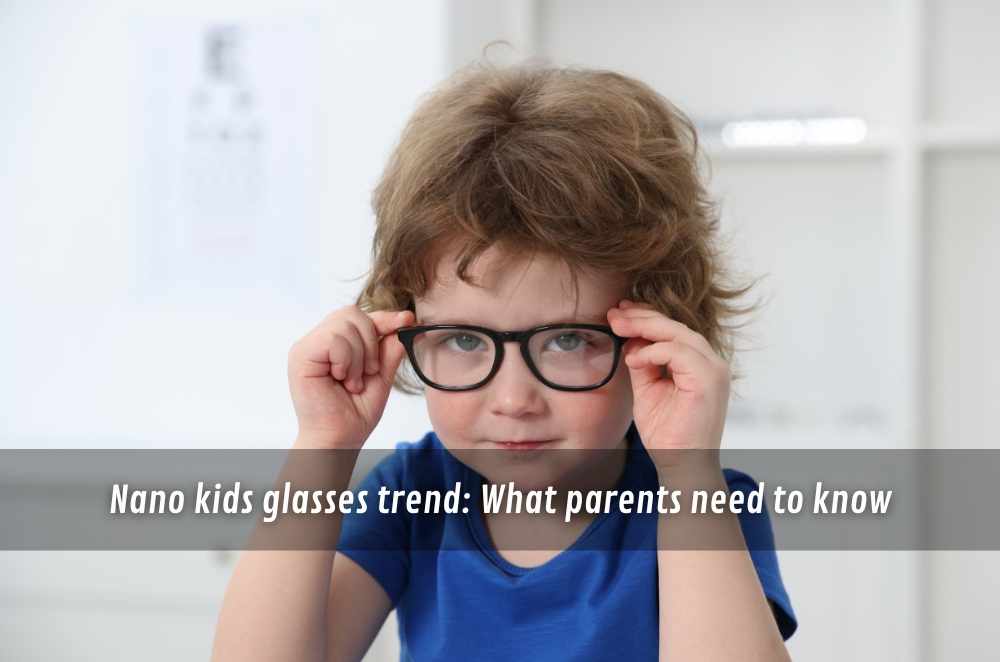
Lately, more parents are talking about lightweight, bend-friendly frames for children. The idea behind the “nano” trend is simple: glasses that keep their shape even after being tugged, dropped, or stuffed into a schoolbag. It’s not a flashy gimmick—just a practical response to the reality of active kids. A frame that can handle rough-and-tumble play, sit comfortably through a full day of classes, and survive a quick nap on the couch ends up being worn more often, which means better vision all around. When I first saw how well flexible glasses for kids held up after weeks of classroom chaos, it clicked that durability matters just as much as lens strength. Parents aren’t chasing a trend; they’re looking for eyewear that can keep pace with growing children, without turning every breakage into an optometry emergency.
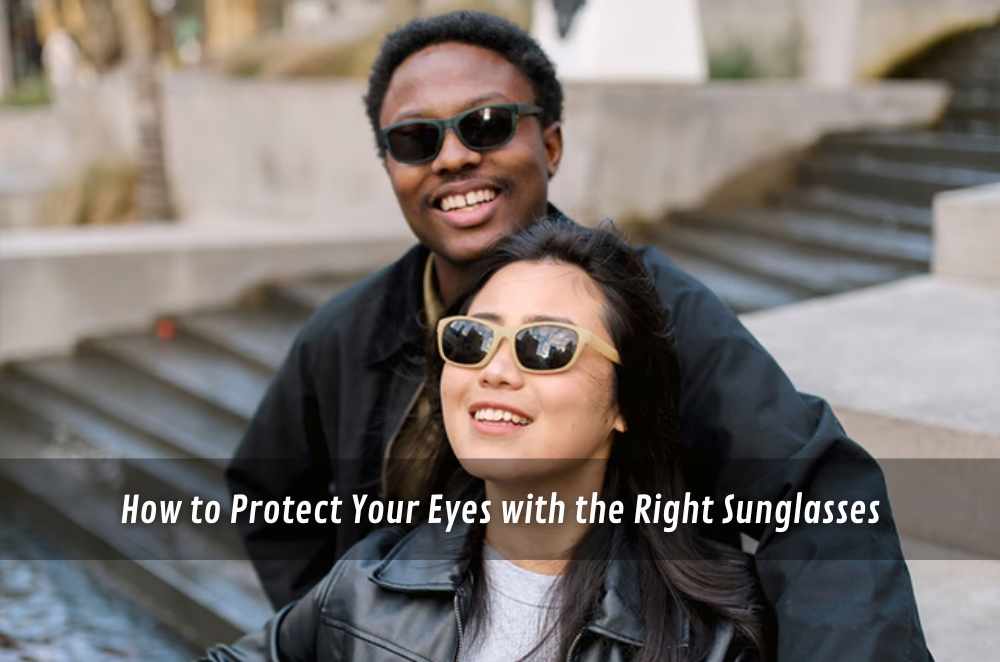
Step outside here and the light hits different—hard, white, almost shimmering off every surface. Bit of breeze, maybe a few flies, and suddenly you’re squinting before you’ve even left the driveway. You don’t need drama or jargon to deal with it; you just need a pair that actually does the job. That’s why choosing sunglasses in Australia feels less like a style decision and more like a daily necessity. The right pair makes the outdoors clearer, more comfortable, and far less tiring on your eyes. I learnt that lesson on a long drive up the coast. Thought a random servo pair would do. It dulled the colours, sure, but the glare still punched through. Eyes sore, shoulders tight, constant frown. Since then, I’ve treated sunglasses as gear, not garnish. The win is simple: less squinting, more focus, fewer headaches by day’s end.
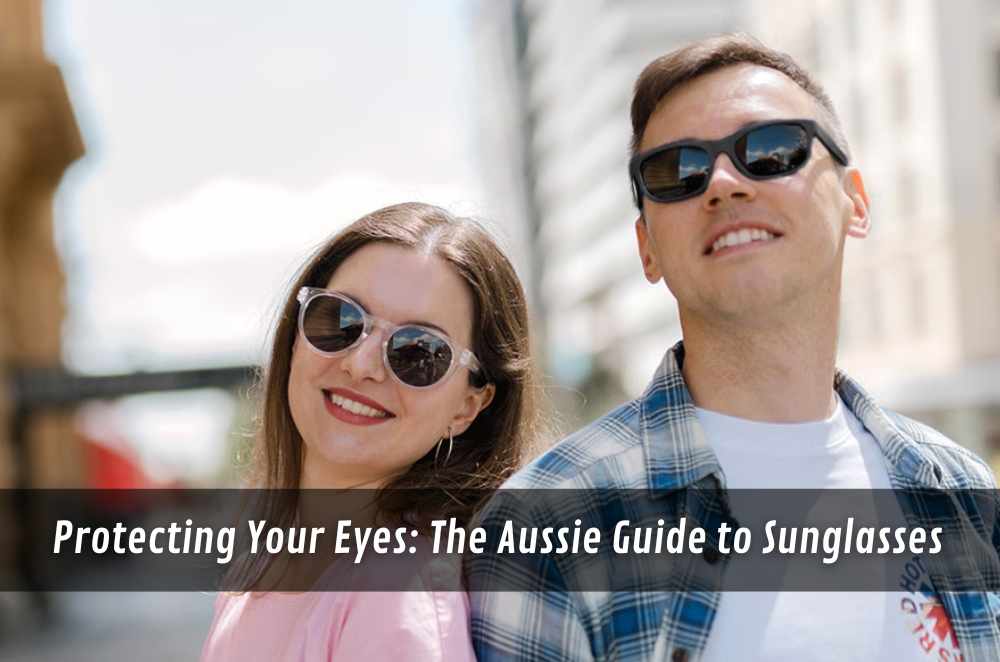
Step outside anywhere in Australia and you’ll notice it almost instantly—the kind of sunlight that makes you reach for shade without thinking. It’s something that becomes a backdrop to everyday life, whether you’re heading out for work or just grabbing a coffee. Growing up here, I used to think all sunglasses were the same, just a throw-in for beach trips or those long drives. But the longer you live under this sky, the more you start to appreciate how the right sunglasses Australia offers can completely change your comfort and even your eye health. For me, it wasn’t about chasing a particular brand or style—it was the relief that came from no more headaches or squinting, even on the brightest days. These days, reaching for those sunnies is second nature. It’s a simple habit, but it makes all the difference when the sun’s got that sharp edge only Australians really know.

Buying glasses can feel like a bigger task than you expect. I remember walking into the shop thinking I’d just grab something simple. But the second I saw all those display frames in every shape and color—I felt completely overwhelmed. A salesperson came over right away, eager to help, but I didn’t even know where to start.

Not so long ago, I would never have considered ordering prescription glasses online. Walking into a nearby optometrist, caressing the frames, and conversing with someone who might assist me in determining what looked nice was quite pleasant. Still, like many Australians, my routine has changed. Our approach to everything, including glasses, is evolving because of convenience, selection, and time-saving needs.